Smarter Teams, Better Outcomes: The Power of Workforce Management
WFM o Gestión de la Fuerza Laboral, a pesar de ser un concepto bastante abstracto, es un componente esencial de la estrategia empresarial que cualquier gerente o tomador de decisiones debe conocer bien. La Gestión de la Fuerza Laboral (WFM) es un conjunto de técnicas destinadas a optimizar la eficiencia del personal mediante técnicas como la asignación de recursos y el seguimiento del cumplimiento. Incluye procesos como la recolección de datos en tiempo real y el análisis del rendimiento, cruciales para la productividad, el ahorro de costes y el cumplimiento normativo. Las soluciones de software de Gestión de la Fuerza Laboral mejoran las relaciones con los empleados, la gestión de la experiencia del cliente y los resultados financieros.
Como cualquier propietario o gerente de negocios sabe, tener a las mejores personas es solo la mitad de la historia: lo que va a decidir si un negocio se distingue de sus competidores es cómo hacen uso de sus recursos, o, en otras palabras, cómo disponen del conocimiento y las habilidades de sus empleados.
Toda estrategia empresarial aspira a abordar un puñado de preguntas aparentemente simples, tales como: ¿cómo puede mi negocio ser más eficiente y productivo que mis competidores? ¿Qué forma de aprovechar y asignar mis recursos es más probable que conduzca a resultados exitosos? Esencialmente, WFM, o Gestión de la Fuerza Laboral, intenta encontrar formas de responder a esas preguntas, y lo hace enfocándose en la parte más importante de cada organización: las personas que la componen.
Existen muchas técnicas y procesos diferentes que caen bajo la categoría de Gestión de la Fuerza Laboral. Más adelante en este artículo, analizaremos algunas de las más importantes en detalle y explicaremos cómo cada una de ellas puede contribuir a una estrategia empresarial óptima. Pero primero, tratemos de aclarar aún más a qué nos referimos cuando hablamos de WFM o Gestión de la Fuerza Laboral.
Why Workforce Management Is Essential for Business Success
La Gestión de la Fuerza Laboral, o WFM, es el nombre dado a un amplio conjunto de técnicas diseñadas para optimizar la eficiencia y efectividad del personal en una organización. Entre otras cosas, implica la asignación estratégica de personal y recursos, el monitoreo de la asistencia y garantizar el cumplimiento de leyes y regulaciones para mejorar la productividad y minimizar el riesgo.
La Gestión de la Fuerza Laboral es un término general que abarca muchos procesos, técnicas o tecnologías diferentes; un Sistema o Estrategia de Gestión de la Fuerza Laboral puede involucrar tareas como la recopilación de datos en tiempo real, la gestión de servicios de campo, la gestión de recursos humanos, la automatización de flujos de trabajo, la gestión de la formación, la gestión del rendimiento y analíticas, la previsión laboral, la programación…
La pregunta de por qué la Gestión de la Fuerza Laboral es tan importante podría parecer obvia; para cada gerente o propietario de empresa, es una verdad evidente que tener a las personas correctas es solo el punto de partida, y los resultados exitosos dependen de una estrategia competente. Sin embargo, es perfectamente posible enumerar varias maneras en que la Gestión de la Fuerza Laboral es esencial para las empresas:
Aumento de la productividad gracias a la asignación eficiente de recursos.
Ahorro de costes derivado de procesos optimizados y eficientes.
Cumplimiento normativo, asegurando la adherencia a las leyes y regulaciones laborales.
Mejora en la satisfacción del empleado gracias a una programación justa y comunicación transparente.
Mejora del servicio al cliente facilitada por niveles óptimos de personal.
Planificación estratégica derivada del análisis de datos históricos, permitiendo prever necesidades futuras para satisfacer la demanda de manera eficiente.
Retención de talento al reconocer y retener a los empleados valiosos.
Aumento de la flexibilidad que adapta el personal a condiciones de mercado cambiantes.
Mejora del resultado final logrado al alinear el personal con la demanda para obtener ganancias de eficiencia.
Cuando se canaliza a través de la solución de software adecuada de Gestión de la Fuerza Laboral, WFM puede contribuir aún más a fomentar relaciones positivas con los empleados, elevar la Gestión de la Experiencia del Cliente, aprovechar las analíticas inteligentes que proporcionan información sobre el comportamiento del cliente y generar resultados financieros favorables para las empresas.
Exploraremos cómo funcionan las soluciones de software de Gestión de la Fuerza Laboral, qué características pueden incluir y cómo pueden ayudar a diferentes tipos de empresas más adelante en este artículo. Pero primero, profundicemos en qué constituye un sistema de Gestión de la Fuerza Laboral y cómo implementarlo.

What exactly is Workforce Management (WFM)?
Why is WFM important for businesses?
How does WFM improve productivity?
Can WFM support strategic planning?
Summary
Workforce Management (WFM) is a strategic approach and set of techniques aimed at optimizing staff efficiency, productivity, and resource allocation within an organization. By combining processes like scheduling, attendance monitoring, compliance tracking, performance analytics, and workflow automation, WFM ensures businesses make the most of their employees’ skills while reducing costs and minimizing risk. Effective WFM enhances employee satisfaction, customer service, and talent retention, while providing data-driven insights for strategic planning and flexibility in adapting to market demands. When implemented through robust software solutions, it can further improve operational efficiency, employee relations, and overall financial outcomes.

Getting the Most Out of Your Team with a Workforce Management System
Implementing workforce management in a business requires a systematic approach. At its core, the WFM or Workforce Management system is a strategic orchestrator, systematically aligning workforce activities with overarching business goals. It serves as the linchpin in establishing a methodical approach to employee optimization and operational efficiency.
The systematic monitoring capabilities of a robust WFM or Workforce Management system provide real-time insights into employees’ activities, attendance, and performance metrics. This not only fosters accountability but also establishes a foundation for data-driven decision-making. The systematic scrutiny of work patterns ensures that businesses stay on top of their game, responding promptly to evolving needs.
Moreover, the WFM system’s strategic impact on company performance cannot be overstated. By systematically analysing data, businesses gain the foresight needed to identify trends, anticipate workloads, and forecast staffing requirements. This systematic approach allows organisations to navigate market fluctuations with agility, ensuring a proactive rather than reactive stance.
The interconnected nature of workforce management processes underscores the importance of a systematic sequence. The WFM system ensures a logical order, emphasising the need for a well-coordinated, systematic execution of tasks. This not only minimises bottlenecks but also fosters a seamless workflow, reflecting the system’s commitment to systematic efficiency.
In essence, the true strength of a workforce management system lies in its systematic approach — a structured methodology that optimises employee activities, refines operational processes, and positions businesses for sustained success in the dynamic landscape of the modern workplace.
To enhance the efficiency of a workforce management system, one can follow carefully laid-out steps that address some of the more critical workforce management processes. Before delving into the specifics of these steps, it is important to clarify what is considered a process in this context.
What are Workforce Management (WFM) processes?
When we talk about workforce management, a process isn’t just a routine; it’s a dynamic activity that plays a dual role — keeping an eye on employees’ actions and enhancing the company’s overall performance using gathered data.
For optimal outcomes, it’s vital to follow a carefully crafted sequence of workforce management processes. Some processes form a chain of dependencies, necessitating completion before the next one kicks in. Here’s our lineup of essential processes for the systematic side of Workforce Management:
Data Gathering
Initiate the measurement process by collecting relevant data. This step is essential for accurate performance analysis, workforce productivity comparisons, and informed decision-making for tasks, hiring, and scheduling.
Workload Forecasting
With information on projects and employees, make estimates crucial for long-term planning and goal accomplishment. Predictions about future workloads aid in anticipating the need for workforce expansion.
Calculating Staff Requirements
Evaluate staff performance based on competency and time spent on tasks. Insights from time tracking can indicate the need for additional hires to manage future workloads.
Schedule Building
Effective scheduling, considering employees’ energy levels and productivity patterns, is crucial. Time tracking results can help optimise schedules by aligning tasks with employees’ peak performance times.
Performance Assessment
Higher-level employees can use the workforce management system to assess daily employee performance. A good approach is utilising time tracking reports to answer critical questions about task completion, overall staff achievements, and the impact of new hires.
Another helpful approach, especially in a Contact Centre Optimisation context, is to measure customer satisfaction to keep track of what employees and what individual attitudes result in better outcomes; this can be done with Sentiment Analysis. More on this later.
The best way to implement a Workforce Management System in a structured and consistent way is to rely on the right Workforce Management Software Solution. But what is Workforce Management Software, how does it work, and why is it so important? We’ll dedicate the rest of this article to addressing those questions.
What does it mean to implement Workforce Management systematically?
How does a WFM system provide real-time insights?
Why is systematic data analysis important in WFM?
Can WFM help with customer satisfaction?
Summary
Workforce Management (WFM) requires a systematic approach that aligns employee activities with business goals. A strong WFM system provides real-time insights into performance, attendance, and work patterns, enabling data-driven decisions and operational efficiency. Key processes—data gathering, workload forecasting, staffing calculations, schedule building, and performance assessment—ensure seamless workflows and optimal resource use. Implementing the right WFM software amplifies this approach, supporting productivity, efficiency, and sustained business success.
Unlocking Workforce Potential with Smart Workforce Management Software
No es ningún secreto que la rápida evolución de las tecnologías de comunicación ha revolucionado por completo prácticamente todas las industrias en las últimas décadas. Esta evolución ha sido aún más acelerada en los últimos años, como demuestra el tremendo desarrollo de las industrias SaaS y CCaaS. Además, los impresionantes avances en Inteligencia Artificial, que no parecen estar desacelerando en absoluto, seguirán siendo una fuente de innovación para la forma en que las empresas hacen negocios.
Las soluciones de software de Gestión de la Fuerza Laboral son aplicaciones especializadas diseñadas para agilizar y optimizar diversos aspectos de las tareas relacionadas con la fuerza laboral dentro de una empresa. Este software abarca una amplia gama de funcionalidades que ya hemos mencionado anteriormente: recursos humanos, programación, seguimiento de tiempo y asistencia, gestión del rendimiento y más.
Una característica significativa del software WFM es su capacidad para facilitar la programación eficiente de empleados. Esto garantiza una cobertura y asignación de recursos óptimas, ayudando a las empresas a gestionar turnos y asignaciones de trabajo de manera efectiva. Además, el software incluye herramientas para rastrear las horas de trabajo de los empleados, la asistencia y las licencias, proporcionando datos precisos para el procesamiento de nómina y el cumplimiento de las regulaciones laborales.
La asignación de tareas es otro aspecto clave abordado por el software WFM. Permite a las empresas asignar tareas y responsabilidades a los empleados en función de sus habilidades, disponibilidad y carga de trabajo. Esto asegura una distribución justa y eficiente de las tareas, optimizando la productividad general de la fuerza laboral.
El software WFM también juega un papel crucial en el análisis del rendimiento. Al aprovechar Analytics de Interacción con Clientes, que algunas plataformas permiten hacer utilizando herramientas de IA, las empresas pueden evaluar el rendimiento de los empleados, permitiendo decisiones informadas sobre capacitación, promociones u otros ajustes de la fuerza laboral. AI Analytics sirve como una herramienta valiosa para evaluar las contribuciones individuales y de equipo.
Además, la gestión del cumplimiento es una característica clave del software WFM. Ayuda a las empresas a navegar y adherirse a las leyes y regulaciones laborales, mitigando el riesgo de problemas legales y sanciones. El software proporciona un enfoque sistemático para asegurar que las prácticas relacionadas con la fuerza laboral estén alineadas con los requerimientos regulatorios.
A través de diversas industrias como retail, sanidad, finanzas y hospitalidad, las organizaciones despliegan software WFM para atender sus necesidades únicas de gestión de la fuerza laboral. Las soluciones de Gestión de la Fuerza Laboral también pueden extenderse a entornos de back-office al reconocer que estas áreas a menudo tienen un mayor número de empleados en comparación con los roles orientados al cliente. Las empresas pueden beneficiarse de implementar software de Gestión de la Fuerza Laboral para gestionar de manera efectiva a toda su fuerza laboral, incluyendo aquellos en el back-office y la red de sucursales.
En resumen, al aprovechar soluciones como ConnexAI, las organizaciones pueden optimizar la programación del personal, el seguimiento del rendimiento y la asignación de recursos en estos entornos internos, mejorando la eficiencia y productividad general en toda la fuerza laboral.
How does WFM software help with employee scheduling?
Can WFM software track employee hours, attendance, and leave?
What role does AI play in WFM performance analysis?
How does WFM software help ensure compliance with labor laws?
Summary
Workforce Management (WFM) streamline workforce-related tasks, including employee scheduling, attendance tracking, task assignment, performance monitoring, and compliance management, ensuring optimal resource use and adherence to labor regulations. With AI-powered analytics, businesses can evaluate employee performance, make informed decisions about training or promotions, and distribute workloads efficiently. Deployed across industries such as retail, healthcare, finance, and back-office operations, WFM software helps organizations optimize staffing, improve productivity, and enhance overall operational efficiency.

What’s the Difference Between Cloud-Based and Traditional On-Premise Workforce Management Software Solutions?
Cloud-based Workforce Management (WFM) software solutions and traditional on-premise systems differ significantly in their deployment models and management approaches. Cloud-based WFM solutions are hosted on remote servers maintained by the provider, allowing users to access the software via the internet from anywhere with an internet connection. This accessibility fosters flexibility, enabling remote work and collaboration among dispersed teams. Additionally, cloud solutions typically offer automatic updates and maintenance, relieving organizations of the burden of managing infrastructure and ensuring system security.
In contrast, on-premise WFM solutions are installed and operated from servers located within the organization’s premises. While providing a level of control over data and infrastructure, on-premise solutions require organizations to manage hardware procurement, software updates, and security measures internally. This approach may entail higher upfront costs for hardware and licenses, as well as ongoing maintenance expenses. Scalability can also be a concern, as organizations may need to invest in additional hardware and licenses to accommodate growth.
Cloud-based workforce management (WFM) solutions present numerous advantages over traditional on-premises solutions. Some of these benefits include the ability to seamlessly access new updates without incurring additional costs or facing complex upgrade procedures.
Cloud contact centre solutions also enable organizations to scale up by adding more users or activating new features rapidly, without putting a strain on the financial or technical resources of the IT department. Furthermore, cloud-based WFM solutions enhance security measures, optimize performance, and ensure reliability. By leveraging a robust and high availability platform, organizations can enjoy these benefits while avoiding feature limitations commonly associated with on-premises solutions.
Additionally, with an open, API-first architecture, cloud-based WFM solutions can seamlessly integrate with various contact center platforms, offering flexibility and ensuring that organizations can tailor their solution to meet their unique requirements.
The implementation of WFM software is associated with increased operational efficiency, improved employee satisfaction, and enhanced overall business performance. In the next section, we’ll consider the most important benefits Workforce Management Software can bring to the table.
What is the main difference between cloud-based and on-premise WFM software?
Which WFM solution is easier to access remotely?
How do updates and maintenance differ between the two?
How does security compare between cloud and on-premise WFM?

Benefits of Workforce Management Solutions for Smarter Workflows
Streamlined Attendance Tracking
Workforce management software automates attendance tracking, enhancing data accuracy and reducing payroll errors. A comprehensive solution provides multiple worker types with an intuitive platform to report hours and absences in real time.
Enhanced Workforce Productivity
By reducing manual processes and offering better management of time and attendance policies, a workforce management system improves visibility into hours worked, worker availability, and safety incidents. This leads to overall enhanced workforce productivity, enabling managers to efficiently cover staffing needs and respond promptly to changes.
Promotion of Workforce Safety
Workforce management systems contribute to fostering a culture of workforce safety and compliance. They streamline and automate health and safety protocols, ensuring accurate information from incident reporting to critical data capture, encouraging employees to report issues effectively.
Cost Reduction
Increased workforce productivity translates to reduced workforce management costs due to streamlined processes. Enhanced visibility into employee availability and budgeted hours ensures accurate time tracking, decreasing expenses related to incremental overtime and labour overages.
Better Employee Engagement
Workforce management tools improve employee engagement by fostering productivity and achieving a better work-life balance through flexible scheduling. Gathering employee sentiment and using feedback to influence scheduling empowers employees, giving them a voice in workforce management functions.
The rising expectations of both customers and employees has made the task of forecasting and scheduling your workforce exponentially harder, giving you the ability to give your employees a solution that enables them to balance their work responsibilities with the rest of their busy lives whilst ensuring you are appropriately resourced to deliver great customer experience.
Error-Proof Forecasting
By leveraging advanced analytics and sophisticated algorithms, forecasting allows businesses to anticipate fluctuations in demand, understand peak periods, and align staffing levels accordingly. This proactive approach aids in optimising resource allocation, ensuring that the right number of skilled employees are available to meet operational requirements.
Whether it’s predicting call volumes in a contact centre, adjusting staffing levels for seasonal demands, or preparing for new project requirements, forecasting as part of a WFM solution empowers organisations to plan effectively, enhance operational efficiency, and ultimately achieve a workforce that is both agile and responsive to dynamic business conditions.
Flexibility in Scheduling
Workforce management solutions aid organisations in optimising employee schedules by aligning workforce skills with anticipated demand. This flexibility empowers employees to manage their schedules using self-service tools, contributing to increased productivity.
Informed Business Insights
Centralised organisational and departmental data in a workforce management system empowers businesses to make informed decisions. Real-time reporting capabilities provided by workforce management tools enable organisations to monitor overall company performance.
Remote Access
Workforce management solutions offer anywhere access, allowing employees to perform tasks efficiently from mobile devices. This includes clocking in/out, shift swaps, time-off requests, and accessing information such as pay slips and W2s, enhancing overall efficiency.

Error Reduction through Workflow Automation
Workforce management systems minimise human errors through automated time and attendance features. Workflow automation features like Flow ensure accuracy, eliminating data entry mistakes made using self-service time reporting tools. Intelligent compliance alerts contribute to accurate time recording and adherence to work schedules.
However, not all Workforce Management Software platforms work the same way. Some have different functionalities or features from others; some might be more apt for certain kinds of businesses, like contact centres, while others may be more useful in other fields.
Then, what should you look for in a Workforce Management Software solution? Obviously, that depends on the requirements of your business; however, the best way to start assessing that question is to consider the most important features in a WFM platform. That’s what we’ll do in the next section.
Workforce Management Software Features That Drive Efficiency and Flexibility
Scheduling and Calendar
Scheduling and Calendar features streamline the efficient allocation of workforce resources. With an intuitive interface, managers can effortlessly craft, manage, and adjust employee schedules. Real-time visibility into schedules ensures transparency and accountability, empowering managers to adeptly organise training sessions and oversee campaigns.
Employee-friendly features like shift swapping and time-off requests provide flexibility, while automated notifications keep both managers and employees apprised of upcoming events, ensuring timely communication.
Shift Tracking
Nestled within a Workforce Management (WFM) platform, shift tracking functions play a pivotal role in offering insights into employee activities during their shifts. Real-time monitoring empowers managers to scrutinise tasks and responsibilities, ensuring alignment with business objectives.
This meticulous observation allows for a proactive approach to workforce management, facilitating prompt responses to deviations from planned activities and identifying areas for improvement or exemplary performance.
Overtime Management
Certain Workforce Management software platforms are tailored to issue alerts for potential overtime, preventing unauthorised work hours and ensuring an equitable distribution of workload. This functionality empowers employers to navigate overtime judiciously, circumventing unwarranted payroll costs.
Performance Analytics
Transforming a WFM platform into a dynamic productivity tool, performance analytics features gauge individual and team productivity, scrutinise output, and track customised KPIs. This approach provides organisations with insights into performance aligned with unique objectives.
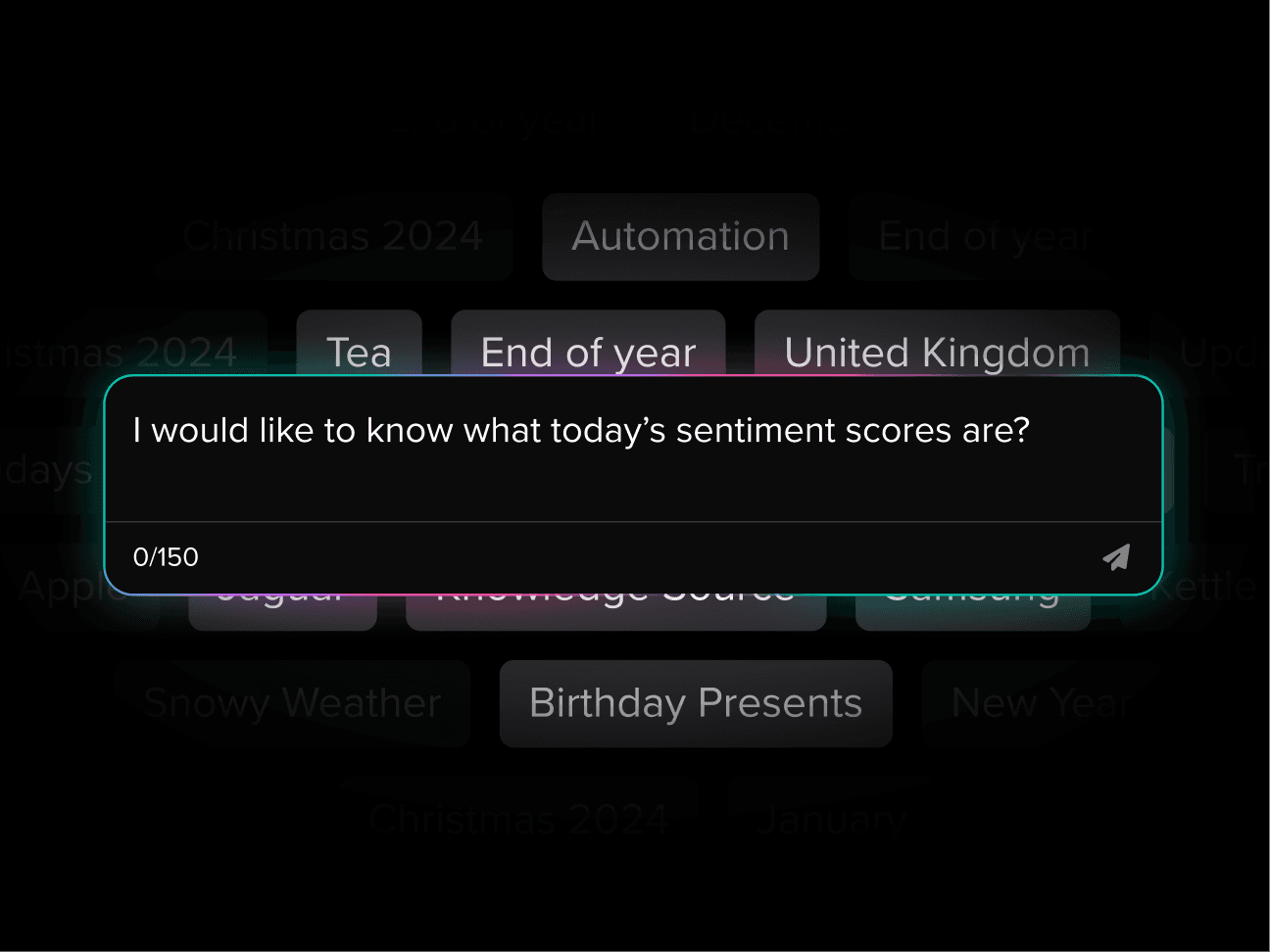
There are other types of AI Analytics you can use. Customer Interaction Analytics are specially useful in the Call Centre context: one example is the Sentiment Analysis feature, which leverages AI to dive deep into textual data, and read the emotions expressed in customer service or sales conversations with customers. By gauging sentiments in real-time, this AI Analytics feature provides an instantaneous pulse on the workforce, identifying nuanced areas for improvement and celebration within the workplace.

Mobile Accessibility
Certain Workforce Management Software platforms, such as the ConnexAI Omnichannel platform, offer mobile or tablet applications. For managers, a mobile WFM app ensures they can efficiently oversee and adjust workforce schedules, track attendance, and make real-time decisions on the move. This heightened mobility improves their responsiveness to changing business needs, enables swift resolution of unexpected challenges, and optimises workforce allocation.
Employees also reap significant benefits from the convenience of a mobile Workforce Management app. They can effortlessly access their schedules, request time off, submit availability preferences, and even swap shifts with colleagues—all from the palm of their hand. This not only streamlines communication between employees and management but also empowers individuals to take charge of their work schedules and effectively manage their work-life balance.
Labour Forecasting
Within a Workforce Management (WFM) platform, forecasting enhances an organisation’s strategic planning, aligning the workforce with dynamic business demands through advanced algorithms and historical data. This proactive tool accurately anticipates staffing needs, enabling efficient scheduling, resource allocation, and maintaining optimal staffing levels to meet demand. By aligning workforce planning with broader business goals, forecasting allows organisations to adapt to changing market conditions effectively.
In a WFM platform, forecasting’s utility extends to budgeting and resource allocation, offering valuable insights for planning and allocating financial resources. This optimization not only enhances budgetary control but also ensures efficient workforce allocation, maximising productivity while minimising unnecessary expenses.
Conclusion
Hopefully, by know you know everything there is to know about the importance of WFM solutions and the most important features to look for in a Workforce Management solution.
However, you might now be wondering something else: how should you go about implementing a WFM solution? We can help you with that. You can speak to us and get more information about our Omnichannel Workforce Management platform or get a free, personalised demonstration session. Give it a go!