

Optimising Customer Experience with Modern Customer Service Software
Customer service software, a term often used interchangeably with customer support software, refers to a comprehensive collection of tools designed to help businesses efficiently manage, monitor, and enhance the overall customer experience, especially as it applies to handling customer interactions with speed and efficiency. This technology enables businesses to engage with customers faster through their preferred communication channels, reduce wait times, seamlessly track and document every interaction, and maximize the value of each conversation across multiple touchpoints.
An important distinction to note is that effective customer service software not only elevates the customer experience by providing timely and personalized support but also enhances the efficiency and satisfaction of customer service agents. By streamlining processes, automating repetitive tasks, and providing actionable insights, it creates a win-win scenario for both customers and the teams that serve them.
Customer service software streamlines communication, boosts customer satisfaction, and enhances agent efficiency by integrating channels, automating tasks, and offering valuable data insights
Also, some Customer Service Software platforms are equipped with cutting-edge Artificial Intelligence features that can take a company’s customer service performance to the next level. From Customer Service AI Chatbots to AI Customer Interaction Analytics or AI Forecasting tools, Customer Service AI represents a decisive force poised to transform how companies engage with their customers in an irreversible way. We’ll look at the most revolutionary of these AI features later on.
Choosing the right customer service software is a decision you want to get right from the start. Customer service is a vital function that must operate seamlessly at all times, as any downtime caused by an unreliable system is something customers are unlikely to tolerate. In this article, we’ll explain everything there is to know about customer service software; from the different types of platforms you can use to optimise your customer service operations to the most important features to look for in each of them, as well as the benefits call centres and retailers can expect from implementing the right type of customer service solution.

What Is Customer Service Software and How It Boosts Efficiency and Satisfaction
El software de servicio al cliente abarca programas diseñados para optimizar y mejorar la gestión de la interacción con los clientes de las empresas, no solo a través de llamadas telefónicas, sino en diversos canales, incluyendo correo electrónico, chat y redes sociales. En su esencia, estas herramientas a menudo incluyen características como el enrutamiento de interacciones, la captura de datos de clientes, la provisión de respuestas automáticas para consultas comunes y la facilitación de transiciones fluidas entre métodos de comunicación. Sin embargo, el software moderno de servicio al cliente va mucho más allá de estas funciones fundamentales.
Por ejemplo, los avances en herramientas de servicio al cliente con IA permiten a las empresas obtener una comprensión más profunda del comportamiento y las preferencias de los clientes, ayudando a personalizar las interacciones. Las características como la automatización optimizan los flujos de trabajo al gestionar tareas rutinarias y dirigir problemas más complejos a los agentes adecuados. Además, las herramientas integradas de Gestión de la Fuerza Laboral (WFM) mejoran la productividad del equipo al optimizar horarios y proporcionar a los gerentes análisis detallados para rastrear el rendimiento e identificar áreas de mejora.
Las soluciones avanzadas de servicio al cliente pueden incluir características como Gestión de Interacciones con Clientes, Analítica de IA, Automatización de Flujos de Trabajo, Analítica de Voz, IA Conversacional, grabación de llamadas y marcadores. Juntas, estas capacidades capacitan a las organizaciones para proporcionar un servicio excepcional, mejorar la eficiencia operativa y ofrecer una experiencia al cliente sin fisuras.
Revisaremos cada una de estas características más adelante en este artículo. Pero primero, respondamos a una pregunta común: ¿quién utiliza o quién puede beneficiarse del software de servicio al cliente?
What is customer service software?
How does customer service software benefit businesses?
How can AI enhance customer service software?
Why is choosing the right customer service software important?
Summary
Customer service software is a comprehensive suite of tools designed to help businesses manage and improve customer interactions efficiently across multiple channels, including phone, email, chat, and social media. Beyond facilitating faster responses and reducing wait times, it enhances the customer experience through personalization, while also boosting agent efficiency by automating routine tasks, streamlining workflows, and providing actionable insights. Modern platforms increasingly leverage AI, from chatbots to interaction analytics and forecasting, to deepen understanding of customer behavior and optimize engagement. Advanced features such as workflow automation, speech analytics, and workforce management enable businesses to deliver seamless, high-quality service, improve operational efficiency, and maximize the value of every customer interaction.
Why use Customer Service Software? Driving Efficiency, Engagement, and Growth
Given the rapid evolution of customer engagement and advancements in communication technologies, it’s evident why Customer Service Software has become a critical tool for businesses in all sectors.
In brief, the fast pace of technological progress and rising customer expectations have made features like intelligent interaction routing, AI integration, omnichannel support, and workflow automation essential. These functionalities empower customer service teams to efficiently handle inquiries, meet customer needs, and deliver a seamless, cost-effective experience, making such software indispensable for maintaining a competitive edge. To understand the growing importance of customer service solutions, let’s take a look at some key statistics:
Cloud-based CCaaS (Contact Center as a Service) solutions are expected to see significant growth, with projections reaching a total value of $82.43 billion by 2030. This shift towards scalable cloud software is driven by the need for more flexible and easily manageable customer experiences.
90% of customers value speed and efficiency, with 60% considering a response within 10 minutes or less as “immediate” (HubSpot).
80% of consumers prefer automated calls to avoid long hold times (Replicant).
83% of customers expect immediate responses when reaching out to a company (Salesforce).
90% of customers are unlikely to return to a business after three or more poor service interactions. Retaining existing customers is much more cost-effective, with new customer acquisition costing 5 to 30 times more (Customerthink, Finextra).
Implementing speech analytics can improve customer satisfaction by at least 10%, while also driving 20-30% increases in sales and cost savings, according to McKinsey.
Companies leveraging predictive analytics can boost call center productivity by nearly 60%, while Big Data Analytics can enhance productivity by 59.9% (FinancesOnline).
Naturally, the core function of customer service software is to help businesses deliver faster, more efficient, and effective support to customers. However, its capabilities extend far beyond this foundational role, offering a range of advanced features that enhance Customer Experience Management (CXM) and provide valuable insights to drive business growth.
For example, AI Analytics can identify patterns in customer conversations, providing valuable insights for areas such as sales, product development, and marketing strategies. Additionally, omnichannel support enables businesses to maintain smooth and consistent communication across multiple platforms, such as email, chat, social media, and text messaging, creating a more agile and coherent customer experience. A key feature of advanced customer service software platforms is automation: when combined with Artificial Intelligence, automatic query routing ensures that customers are directed to the right team or agent every time, reducing wait times and improving response efficiency.
Customer service software goes beyond traditional business applications, extending its usefulness to various sectors and industries. In addition to its core function, it also supports key business areas, such as sales and marketing. Advanced platforms, equipped with outbound communication tools like dialler software, optimise lead generation, track customer interactions, and monitor campaign performance, making customer outreach more efficient and fostering revenue growth. Its versatility allows for the addition of a wide range of functions, further increasing its value for businesses.
Government agencies, for example, use call centre software to efficiently manage citizen inquiries and provide essential public services. These tools enable agencies to streamline communication via hotlines, coordinate outreach campaigns, and address community concerns more quickly and accurately. By integrating this software, governments can promote transparency and trust while improving the overall delivery of services to citizens.
Nonprofit organizations also benefit significantly from these platforms, as they often rely on effective communication to further their missions. Customer service software helps nonprofits manage donor inquiries, coordinate volunteer efforts, and handle hotline services for crisis or assistance programs. By optimizing these interactions, nonprofits can allocate more resources toward achieving their goals and making a greater impact.
In the healthcare sector, the role of customer service software is equally critical. Medical practices and hospitals use these platforms for functions such as scheduling appointments, managing patient records, and facilitating seamless communication between patients and healthcare providers. Emergency services, too, rely on these tools to coordinate urgent responses, ensuring timely and efficient care during crises. With features like automated reminders and secure communication channels, these platforms not only improve patient satisfaction but also contribute to better health outcomes.
To summarise: advanced customer service software solutions stand out for its flexibility, adapting to a variety of needs across different fields. Whether it’s boosting citizen engagement, supporting charitable efforts, or improving patient care, these platforms offer the tools to manage interactions and deliver top-notch service. By simplifying complex tasks and keeping communication smooth, they help organizations work smarter while staying focused on the people they serve.
That’s why choosing the right customer service software is key to improving support, boosting efficiency, and staying competitive. In the next section, we’ll explore the various types of customer service software available.
How does AI integration in customer service software actually improve business outcomes beyond faster responses?
In what ways can customer service software contribute to revenue growth rather than just cost savings?
How does automation reduce human error while improving the quality of customer interactions?
What should businesses consider when choosing the right customer service software?
Summary
Customer service software has become essential across industries due to rapidly evolving customer expectations and advances in communication technology. Modern platforms go beyond basic support, offering intelligent interaction routing, AI integration, omnichannel communication, workflow automation, and analytics, all of which help businesses respond faster, reduce wait times, and deliver seamless, cost-effective experiences. These tools not only improve customer satisfaction and retention but also enhance agent efficiency, drive sales, and support broader functions like marketing, lead generation, and operational management. Their flexibility allows adoption across sectors—from government agencies handling citizen inquiries, to nonprofits coordinating donors and volunteers, to healthcare providers managing patient communication—making advanced customer service software indispensable for organizations aiming to work smarter, deliver high-quality service, and maintain a competitive edge.
Choosing the Right Customer Service Software: Different Types
Soluciones de Atención al Cliente: In Situ, Alojadass y en la Nube
Software de Atención al Cliente In Situ
Instalados en los servidores de la empresa, estos sistemas ofrecen un control completo sobre los datos y la personalización del software. Requieren una inversión inicial significativa y mantenimiento continuo, lo que los hace ideales para grandes empresas que priorizan la seguridad y la personalización.
Software de Atención al Cliente Alojado
Gestionados por proveedores externos, estos sistemas reducen la carga de TI y los costos iniciales. Son flexibles, escalables y adecuados para pequeñas y medianas empresas, aunque pueden tener opciones de personalización limitadas.
Software de Atención al Cliente Basado en la Nube
Entregados a través de internet, los sistemas basados en la nube proporcionan escalabilidad, fácil integración y continuidad del negocio sin necesidad de infraestructura local. Son una opción popular para empresas que buscan máxima flexibilidad y mínima complejidad de TI.
Soluciones de Entrada vs. Salida
Software de Atención al Cliente de Entrada
Enfocado en gestionar las consultas entrantes de los clientes, este software incluye herramientas como enrutamiento automático de llamadas, respuesta de voz interactiva (IVR) y gestión de tickets. Ayuda a asegurar un soporte eficiente y alta satisfacción del cliente.
Software de Atención al Cliente de Salida
Orientado a la interacción proactiva, como seguimientos a los clientes, ventas o encuestas, automatiza el alcance con características como marcación predictiva, campañas de correo electrónico y guiones de llamadas.
Soluciones de Atención al Cliente Omnicanal
La experiencia del cliente omnicanal es ahora una expectativa estándar en todas las industrias, convirtiendo a las soluciones de software omnicanal en el nuevo punto de referencia para un compromiso y soporte efectivos.
Estas soluciones unifican múltiples canales de comunicación —como teléfono, correo electrónico, chat y redes sociales— en una sola plataforma coherente. Al proporcionar interacciones consistentes y personalizadas en todos los puntos de contacto, aseguran un viaje sin fisuras para el cliente. Los agentes se benefician de una visión completa del historial de interacciones de cada cliente, lo que les permite brindar un soporte eficiente y personalizado. Este enfoque no solo mejora la satisfacción y lealtad del cliente, sino que también aumenta la eficiencia operativa al simplificar flujos de trabajo y centralizar procesos.

Esperemos que para ahora ya sepas más sobre cómo el software de atención al cliente es un recurso sobresaliente para que diversas industrias cubran sus necesidades de interacción con el cliente. En la próxima sección, revisaremos algunas de las características más destacadas del software de atención al cliente, prestando atención a cómo cada una de ellas puede ayudar a optimizar, automatizar o mejorar diferentes aspectos de la relación de las empresas con sus clientes.
How do the total costs of on-premise, hosted, and cloud solutions compare over time?
What are the security trade-offs between on-premise, hosted, and cloud customer service software?
How do businesses handle software updates and feature rollouts in each deployment model?
How do inbound and outbound solutions integrate to improve overall customer experience?
Key Customer Service Software Tools to Boost Call Center Efficiency
As previously mentioned, call center software platforms include a wide range of functionalities designed to optimize call center operations. Some of these are essential for maintaining competitiveness in today’s market, while others are advanced or specialized features that can offer significant advantages to a contact center. Let’s go through some of them:
Workflow Automation
Workflow automation is a crucial component of both Customer Experience Automation and Customer Service Automation. When integrated into customer service software, it leads to smoother, more efficient, and more satisfying customer interactions. This not only enhances brand experiences but also fosters greater customer loyalty. Automating customer experience workflows drives efficiency, speeding up processes, cutting costs, and boosting customer satisfaction. Some customer service software platforms offer call center automation features that optimize call routing by connecting various touchpoints according to business rules and customer preferences.
Queries can be routed based on factors like channel, required skills, language, or specific keywords, making workflow automation essential for handling large volumes of diverse inquiries. Customer service automation tools ensure that each interaction is swiftly directed to the right team, promoting smooth, productive conversations for both agents and customers. Additionally, AI integration enhances these workflows by enabling advanced tools such as Voice Recognition IVR and Keyphrase Analysis to categorize and route inquiries more accurately.
AI Analytics
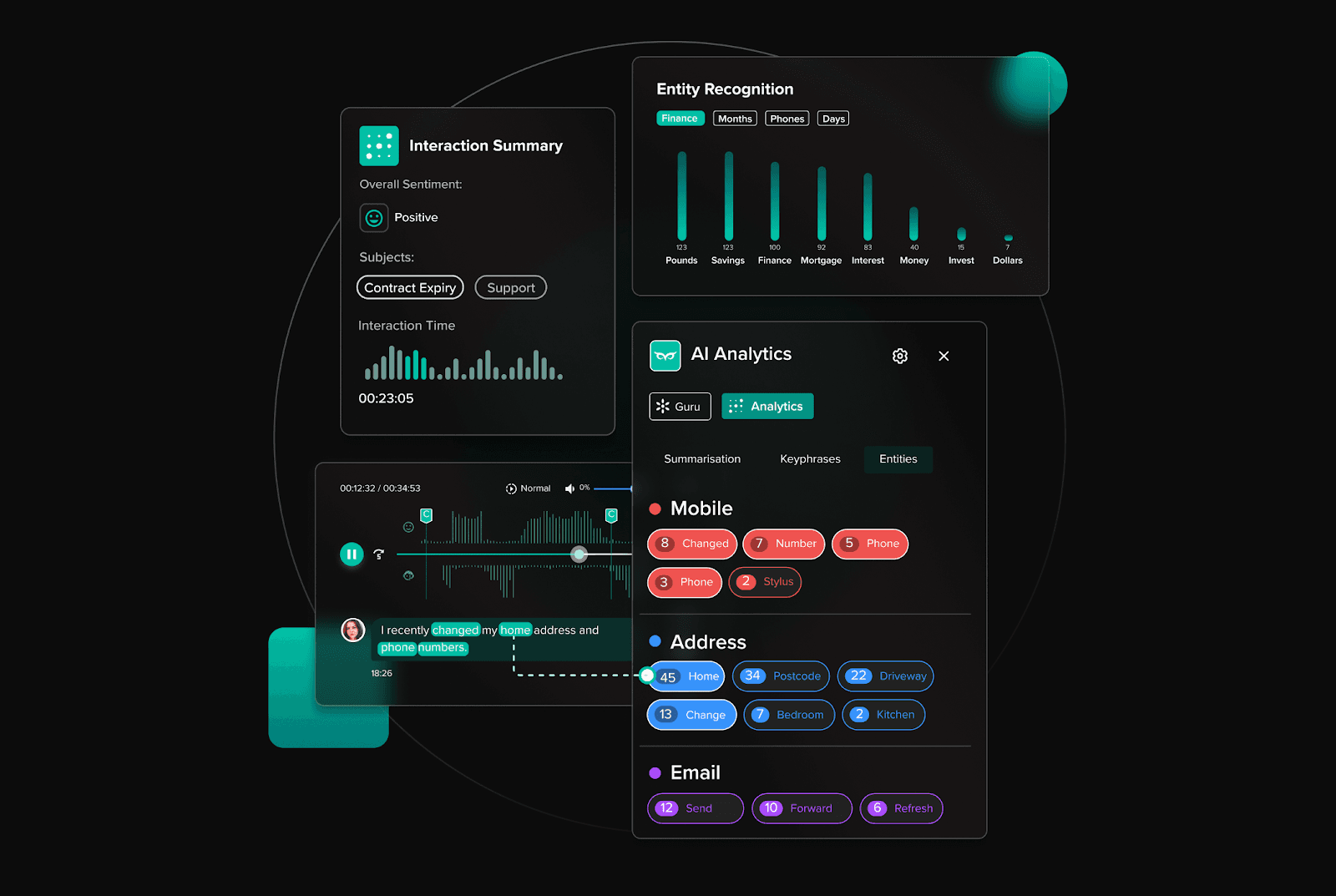
Some customer service software platforms offer advanced Customer Interaction Analytics to analyze customer behavior and sentiment during interactions, providing insights into customer perceptions and staff performance. By aggregating data from channels like phone calls, emails, social media, and SMS, these tools reveal strengths and weaknesses, driving operational improvements and strategic planning.
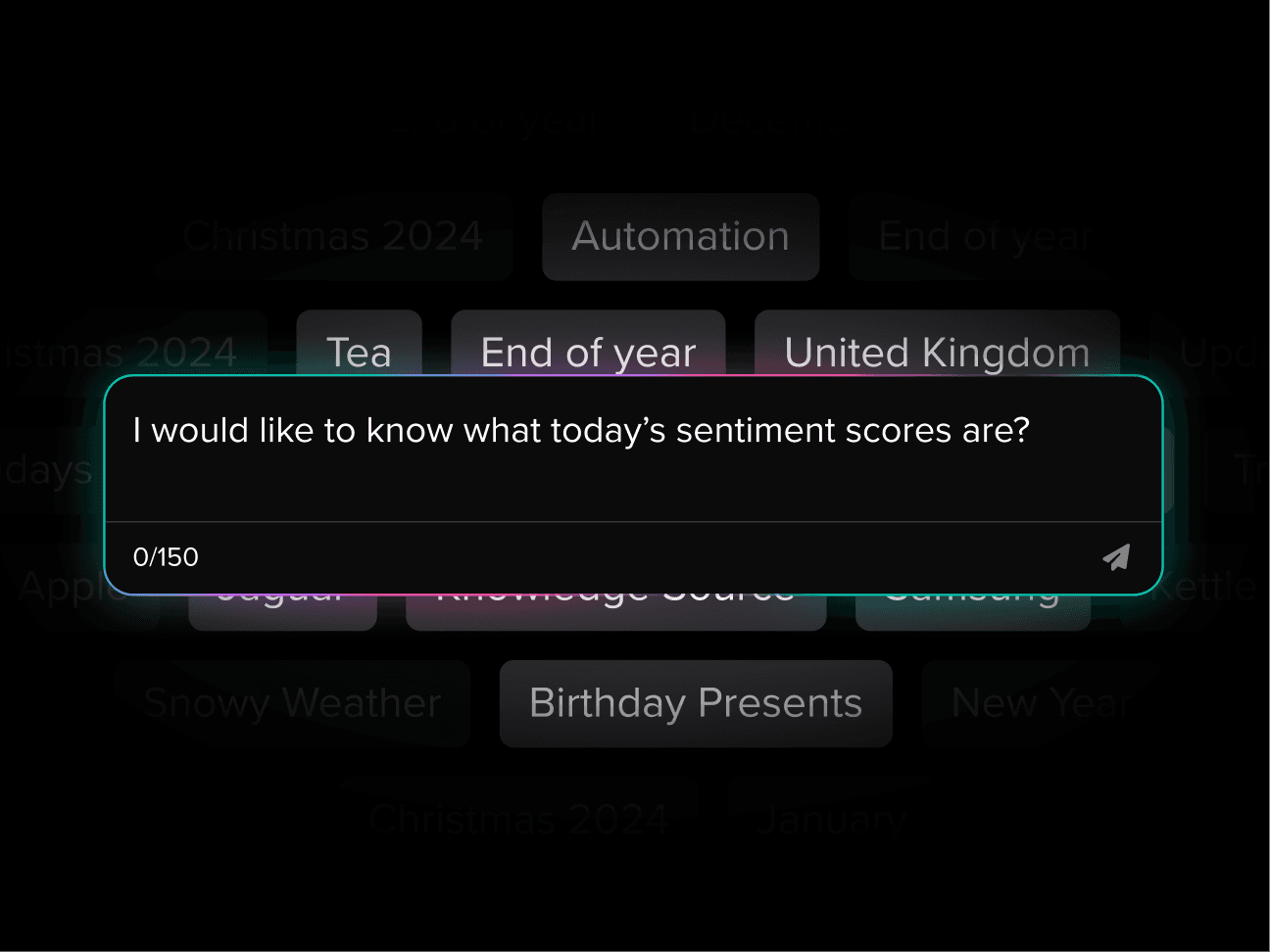
For instance, Sentiment analysis, driven by AI technologies such as NLP and Speech Analytics, provides valuable insights into customer emotions during interactions. It assesses whether customers express positivity, neutrality, or negativity towards a brand, product, or service by analyzing language and contextual cues. This enables businesses to identify areas of concern quickly and take proactive steps to address issues before they become major problems, improving overall customer satisfaction.
Additionally, Entity Recognition AI and Keyphrase Analysis are advanced AI analytics tools that significantly enhance data-driven decision-making by identifying and categorizing key entities and phrases in customer interactions, such as company names, product references, or prices. Entity Recognition streamlines the process of assessing and routing customer service calls by accurately pinpointing relevant mentions, reducing manual review time and improving operational efficiency. Meanwhile, Keyphrase Analysis tracks frequently used words or phrases in both calls and text conversations, providing actionable insights that help businesses understand customer priorities, anticipate market trends, and stay competitive.
Conversational AI
AI Customer Service Chatbots and LLMs offer a powerful solution for businesses looking to enhance operational efficiency and improve customer interactions. Conversational AI is highly effective at managing routine inquiries, automating responses, and directing customers to the right resources, allowing human agents to focus on more complex tasks. Industries with high volumes of routine queries, such as e-commerce, customer support, and financial services, can greatly benefit from Conversational AI. By automating repetitive tasks with AI chatbots, businesses can provide faster responses, reduce costs, and improve customer satisfaction.
This also enables human agents to dedicate more time to strategic, high-value activities. Whether a small business aiming for cost-effective support or a large enterprise focused on optimizing efficiency and customer engagement, AI Customer Service software can be key to achieving these goals.
AI Assistant
AI has revolutionized coaching in customer service software by providing real-time guidance during interactions across various channels. Utilizing advanced speech analytics and Natural Language Processing (NLP), AI monitors conversations to assess customer sentiment and key performance indicators like tone of voice, script adherence, and response quality. Based on this analysis, AI models like Athena can offer immediate prompts and suggestions to agents, helping them manage inquiries efficiently and resolve issues swiftly.
This real-time coaching is invaluable for both new and experienced agents. For newcomers, it fosters confidence and accelerates skill development by offering actionable feedback during live interactions. For seasoned agents, AI ensures consistency in service delivery by providing relevant information or next steps based on the evolving conversation.
By integrating Artificial Intelligence into customer service software, businesses can enhance customer satisfaction through more personalized and efficient interactions. AI not only supports agents in delivering accurate responses but also optimizes operational efficiency by reducing handling times and ensuring compliance with service standards. Ultimately, AI-driven coaching empowers customer service teams to improve performance, enabling agents to consistently deliver exceptional service across all channels.
Omnichannel
As we mentioned earlier, Omnichannel software integrates communication channels like phone, email, chat, and social media into one platform, delivering consistent, personalized interactions for a seamless customer experience. By seamlessly integrating various channels such as email, social media, live chat, and phone support, omnichannel software enables businesses to deliver a unified and consistent customer journey. This approach not only boosts customer satisfaction and loyalty but also simplifies customer engagement processes.
Some omnichannel solutions like ConnexAI feature user-friendly interfaces that provide a centralized view of customer interactions across all channels. This allows agents to effortlessly monitor conversation progress and access customer details with a single click, enhancing efficiency and responsiveness.
Workforce Management (WFM)
Workforce Management (WFM) is a critical component of customer service software, enabling businesses to efficiently allocate and manage their human resources. This is particularly valuable in customer service environments, where high employee turnover and unpredictable workloads are common challenges. WFM features integrated into customer service software can address these issues effectively.
These tools streamline workforce-related tasks, including HR, scheduling, attendance tracking, and performance management. For instance, scheduling and calendar functions offer user-friendly interfaces for creating, adjusting, and monitoring shifts and tasks in real time, ensuring transparency and accountability across teams.
Advanced Workforce Management solutions also include intelligent forecasting capabilities that use algorithms and historical data to predict workload trends. This allows businesses to anticipate staffing needs, adapt to market changes, and manage seasonal demands effectively. By aligning workforce resources with customer demand, businesses can avoid understaffing or overstaffing, boosting efficiency and maintaining high service standards.
How can workflow automation improve agent performance beyond basic call routing?
How does AI enhance workflow automation in handling multilingual or diverse customer bases?
How can AI analytics improve training and coaching programs?
How do AI agents handle complex, multi-step customer inquiries?
Case Study: How RefiJet Benefited from ConnexAI’s Customer Service Software
Como hemos discutido anteriormente, el software de servicio al cliente se utiliza en una variedad de industrias y organizaciones, mucho más allá de su uso en los centros de llamadas; desde instituciones de salud hasta organizaciones sin fines de lucro, cualquier organización que valore interacciones fluidas y efectivas con su base de clientes, clientes o donantes.
En particular en el sector sanitario, las ventajas son numerosas. En un ámbito donde el compromiso del paciente y un servicio al cliente excepcional son esenciales para construir confianza y satisfacción, las interacciones fluidas y personalizadas son críticas, y muchas empresas confían en el software de servicio al cliente para asegurar que las comunicaciones con los pacientes sean útiles, informativas y eficientes. El software de servicio al cliente puede contribuir a lograr esto agilizando la programación de citas, mejorando los procesos de diagnóstico a través de sistemas automatizados, y conversaciones inteligentemente enrutadas que dirigen a los pacientes a los especialistas o recursos adecuados…
Como ejemplo de cómo una organización sanitaria puede mejorar la eficiencia y mejorar la calidad general del servicio al incorporar una solución de software de servicio al cliente como ConnexAI, vamos a echar un vistazo al caso de Exact Medicare. Exact Medicare es una empresa estadounidense dedicada a ayudar a las personas mayores a navegar por Medicare y tomar decisiones informadas sobre su salud. Trabajando de cerca con los clientes para entender sus necesidades únicas, los guían en cada paso de su viaje de atención médica. Naturalmente, en el corazón de la misión de Exact Medicare está la entrega de interacciones de alta calidad y una comunicación fluida con su base de pacientes.
Al aprovechar las funciones avanzadas del software de servicio al cliente de ConnexAI, Exact Medicare mejora la gestión de la experiencia del cliente, optimizando los procesos de comunicación, personalizando el soporte al paciente y asegurando una experiencia más eficiente y fluida para cada individuo a lo largo de su viaje de atención médica. Con funcionalidades como Automatización del Flujo de Trabajo, enrutamiento inteligente de consultas basado en habilidades, necesidades o urgencia, capacidades Omnicanal para acomodar cada preferencia de comunicación, y funcionalidades de Texto a Voz y Voz a Texto para un servicio personalizado a pacientes con desafíos auditivos, ConnexAI ha sido un avance transformador para Exact Medicare, mejorando la eficiencia, aumentando la satisfacción del cliente y expandiendo su alcance.
El software también incluye la suite Athena AI, impulsada por un Modelo de Lenguaje Extenso (LLM) específico para el dominio y un Agente AI adaptado a la experiencia y voz de marca de Medicare. También integra Análisis de Sentimientos para evaluar las emociones de los pacientes y la función AI Guru, que asiste a los agentes en tiempo real recomendando recursos para respuestas precisas e identificando oportunidades de venta adicional. Estas herramientas permiten a los proveedores de atención médica como Exact Medicare ofrecer un servicio excepcional y personalizado, mientras mejoran la eficiencia operativa. “No me sorprendería si nos ahorramos cerca de $100,000 al año”, dice Ezequiel Negrón, Director de TI en Exact Medicare.
Para aprender más sobre cómo Exact Medicare se benefició al incorporar la plataforma de software de servicio al cliente de ConnexAI, lea nuestro testimonio o vea este video:
Summary
Customer service software extends far beyond call centers, supporting any organization that values efficient, personalized interactions. In healthcare, such software is particularly valuable for enhancing patient engagement, streamlining appointment scheduling, improving diagnostics, and intelligently routing inquiries to the right specialists. Exact Medicare, a U.S. company helping seniors navigate Medicare, exemplifies these benefits: by implementing ConnexAI, they optimized communication processes, personalized patient support, and leveraged features like workflow automation, omnichannel capabilities, Text-to-Speech/Speech-to-Text, and AI tools such as Athena and Sentiment Analysis and. These technologies have boosted operational efficiency, improved patient satisfaction, and generated significant cost savings, transforming Exact Medicare’s ability to deliver seamless, high-quality care throughout the patient journey.

Conclusion
By now, you should have a solid understanding of customer service software, its importance, and the key features to consider when choosing the right solution. If you’re curious to learn more or would like a deeper dive into how it can benefit your organization, we’re here to help! Feel free to reach out, and we’d be happy to schedule a free, personalized demo tailored to your needs.