Customer Interaction Management Systems: Enhancing Engagement Across Channels
En el competitivo panorama empresarial actual, fomentar relaciones sólidas con los clientes es primordial, y el sistema de Gestión de Interacciones con Clientes (Sistema CIM) adecuado puede ser una herramienta invaluable para este propósito. Un sistema de Gestión de Interacciones con Clientes automatiza y agiliza las interacciones entre empresas y clientes a través de canales como el teléfono, el correo electrónico y las redes sociales. Es vital para la Gestión de la Fuerza Laboral, proporcionando visibilidad en las interacciones entre agentes y clientes, y tiene como objetivo mejorar la satisfacción del cliente y el rendimiento empresarial.
Las empresas reconocen que la experiencia del cliente va más allá de una sola transacción: es un esfuerzo continuo para mejorar constantemente. Ir más allá para los clientes fomenta la lealtad y la satisfacción, independientemente del motivo de su interacción, ya sea por marketing, ventas o servicio al cliente.
Diferentes tipos de interacciones pueden ocurrir en los centros de contacto, incluyendo llamadas telefónicas, correos electrónicos, chats web, videollamadas y varios otros medios utilizados para interacciones con clientes. Cuando un cliente se pone en contacto con su organización, esto significa una interacción entre las partes, y esta interacción puede realizarse a través de diferentes canales dependiendo de las capacidades y la tecnología del centro de contacto; o, en otras palabras, dependiendo de las características de la plataforma de software de servicio al cliente o del sistema de gestión de interacciones que se esté utilizando.
A través de la adopción de Sistemas de Gestión de Interacciones con Clientes, las empresas pueden garantizar que cada interacción con el cliente sea significativa, mejorando el compromiso, aumentando las tasas de retención y promoviendo el crecimiento empresarial. Este artículo explorará los Sistemas de Gestión de Interacciones con Clientes, sus componentes y su significativo impacto en las relaciones empresariales.
Pero para empezar, comencemos con lo básico: ¿qué conforma un Sistema de Gestión de Interacciones con Clientes?
How Customer Interaction Management Systems Transform Customer Service
In a previous article, we have defined Customer Interaction Management like this:
Customer Interaction Management is a set of strategies aimed at overseeing customer interactions throughout their journey with a business. It encompasses proactive communication, meticulous data analysis, and efficient feedback mechanisms. By streamlining these interactions, businesses can gain deeper insights into their customers’ needs, enhance product and service offerings, and establish enduring relationships.
A Customer Interaction Management system is a software solution designed to streamline and automate these processes, monitoring and ensuring control over the interactions between a business and its customers across various communication channels. It serves as a centralised platform for handling customer inquiries, complaints, and requests through channels like phone calls, emails, social media, and live chat. It can also be an essential asset for optimal Workforce Management within a call centre or customer service context, providing managers with visibility over how agents handle interactions with customers.
Customer Interaction Management systems enable businesses to efficiently track and organise customer interactions, automate routine tasks, gain insights through Customer Interaction Analytics, and personalise interactions based on customer data. Ultimately, they aim to enhance customer satisfaction, retention, and overall business performance.
In this context, customer service software plays a vital role as part of the CIM ecosystem. It provides the tools necessary for businesses to manage customer support tickets, facilitate multi-channel communication, and integrate with CRM systems to deliver personalized, efficient service. By utilizing customer service software or call centre software within a CIM framework, organizations can further optimize their workflows, improve response times, and enhance the overall customer experience.
What is the main purpose of a Customer Interaction Management (CIM) System?
How does a CIM System differ from a traditional CRM (Customer Relationship Management) system?
What types of businesses benefit the most from implementing a CIM System?
How do CIM Systems improve agent productivity and workforce management?
Summary
A Customer Interaction Management (CIM) System is a software solution that centralises, automates, and streamlines customer interactions across channels such as phone, email, social media, and live chat. Beyond handling inquiries and support tickets, it provides businesses with tools for proactive communication, analytics, and feedback management, enabling them to personalise engagement and optimise workforce performance. By offering visibility into agent-customer interactions and integrating with CRM systems, CIM systems help improve efficiency, reduce response times, and foster stronger relationships. Ultimately, they enhance customer satisfaction, boost retention, and drive business growth by ensuring every interaction is meaningful and strategically managed.


The Role of AI in Enhancing Customer Interaction Management Systems
Inteligencia Artificial (IA) ha surgido como una fuerza disruptiva en el contexto de la gestión de interacciones con clientes. Las características de IA integradas dentro de los sistemas de Gestión de Interacciones con Clientes pueden mejorar la eficiencia, la personalización y la capacidad de respuesta. Permite a las empresas automatizar tareas rutinarias de servicio al cliente a través de chatbots, IA Conversacional y Agentes de IA, proporcionando respuestas instantáneas a preguntas comunes y reduciendo los tiempos de espera. Algunos modelos de IA Conversacional, como el Agente de IA de ConnexAI, están construidos sobre LLMs (Modelos de Lenguaje Extenso) que pueden ser entrenados específicamente en conocimientos de la industria y tonos de voz personalizados; esto permite a las empresas lograr el equilibrio perfecto entre automatización y personalización en sus interacciones con los clientes.
Otra tecnología de IA que se puede aprovechar en un sistema de Gestión de Interacciones con Clientes es el Reconocimiento Automático de Voz (ASR), que se puede utilizar para implementar menús inteligentes de IVR (Respuesta de Voz Interactiva) para encaminar las interacciones entrantes de los clientes. ASR también se puede usar para transcripciones de Voz a Texto de conversaciones habladas para una mayor visibilidad del rendimiento de los agentes o puntos de dificultad comunes.
Además, la Analítica de Interacciones con Clientes impulsada por IA puede rastrear preferencias, comportamientos y sentimientos de los clientes, permitiendo a las empresas personalizar su comunicación y ofrecer experiencias personalizadas. Algunas herramientas útiles de Analítica de IA son el Análisis de Frases Clave, que puede filtrar consultas de clientes reconociendo palabras o frases clave mencionadas por un cliente, y el Reconocimiento de Entidades, que puede detectar los términos o entidades más mencionados en las interacciones con clientes, reconociendo patrones sobre lo que más les importa a los clientes y mencionan con más frecuencia.
En conclusión, la IA puede ser un activo invaluable para ayudar a las empresas a predecir las necesidades de los clientes, mejorar la resolución de problemas y asegurar interacciones consistentes a través de múltiples canales. Esto lleva a una mayor satisfacción del cliente, lealtad y operaciones optimizadas para las empresas.
Pero, ¿qué tipo de características debe tener un sistema de Gestión de Interacciones con Clientes? Exploraremos algunas esenciales en la siguiente sección.
Can AI Agents handle complex, industry-specific queries as effectively as humans?
How does Automatic Speech Recognition (ASR) improve real-time interactions?
What uses does AI-driven speech-to-text offer managers?
How does AI-driven CIM impact long-term customer loyalty?
How Modern Customer Interaction System Tools Help You Connect and Serve Better
Omnichannel
Omnichannel communication allows businesses to engage with customers seamlessly across multiple communication channels, such as phone calls, emails, social media platforms, live chat, and SMS. It ensures that customers can start an interaction on one channel and seamlessly transition to another without losing context.
For example, a customer might initiate a conversation via email and then continue it through a live chat session. Omnichannel software ensures a consistent and cohesive experience across all channels.
Interaction Tracking
This feature enables businesses to record and track all customer interactions comprehensively. It includes logging details such as the date and time of the interaction, the channel used, the nature of the inquiry or request, and any resolutions provided.
Detailed interaction tracking allows businesses to understand customer preferences, track trends over time, and identify areas for improvement in customer service delivery.
Automation
Automation features in a Customer Interaction Management (CIM) system or Workforce Management Solution play a pivotal role in optimising efficiency and productivity throughout customer interactions. Customer Experience Automation results in more seamless, more satisfactory, and more effective customer interactions, contributing to create memorable brand experiences and increased customer loyalty.
One facet of automation involves the utilisation of conversational AI technologies, which enable businesses to automate certain aspects of customer communication through chatbots or virtual assistants. Conversational AI Agents like ConnexAI's can engage with customers in real-time, handling routine inquiries, providing basic support, and even completing transactions without human intervention. By leveraging AI Chatbots, businesses can offer round-the-clock assistance, reduce wait times, and free up human agents to focus on more complex or high-value tasks.
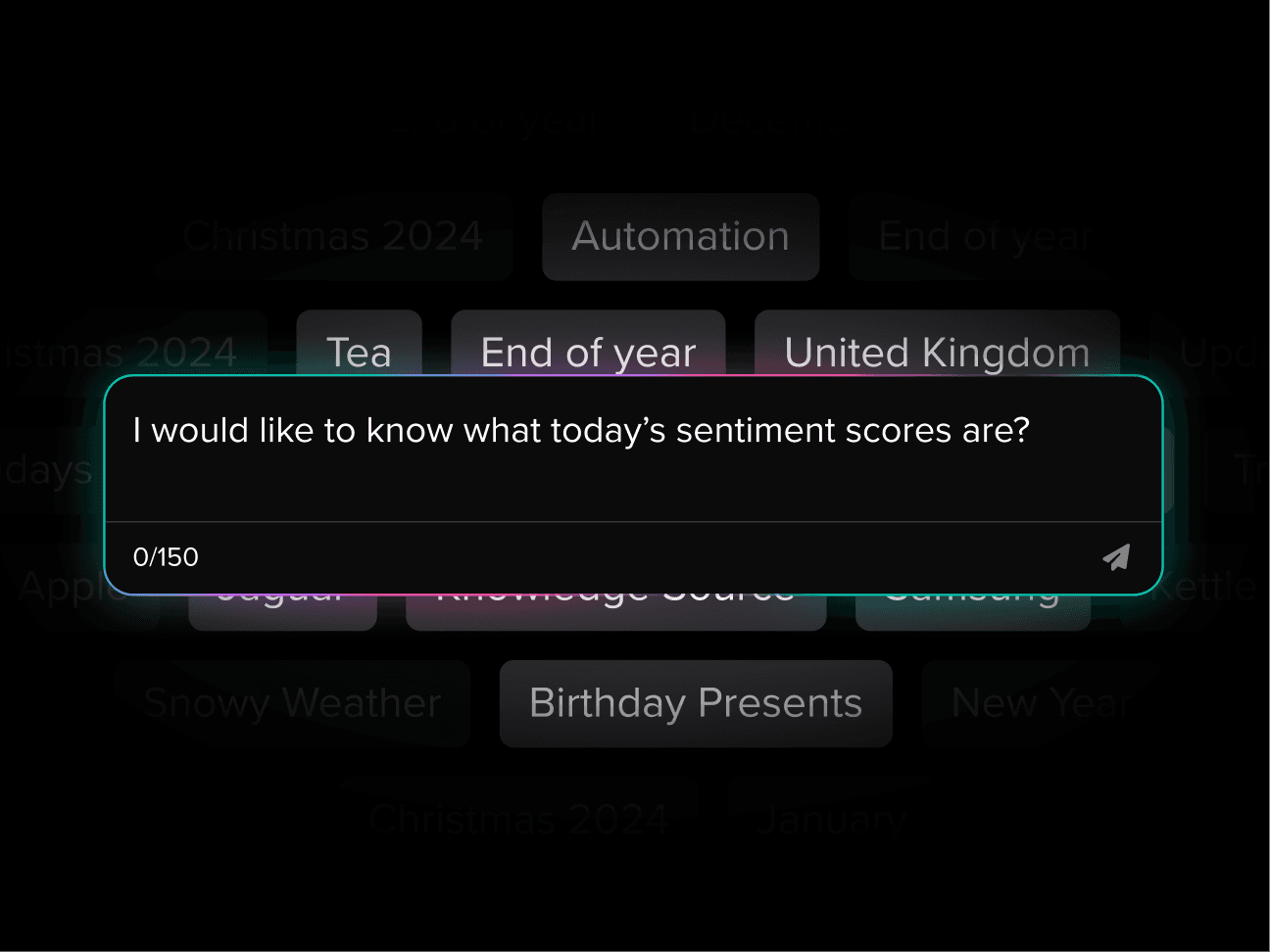
Furthermore, workflow automation capabilities allow businesses to streamline and standardise processes related to customer interactions. For example, workflow automation can be utilised to automatically assign incoming inquiries to the most appropriate agent based on predefined criteria such as skillset, language proficiency, or availability. This ensures that customers are quickly connected with the right person who can address their needs effectively, minimising wait times and enhancing overall service quality.
Flow, ConnexAI’s automation feature, is an example of intelligent workflow automation made easy: within an intuitive drag-and-drop interface, a user can designed personalised workflows with an infinite level of detail, automate them, and integrate Artificial Intelligence features to let Conversational AI handle routine queries, route inbound interactions to the right person based on skill, topic, language, or availability, or use Text-To-Speech/Speech-To-Text technology.
Here you can learn more about Flow, our workflow automation tool and about how Flow can help your customer service department or contact centre.
Analytics and Reporting
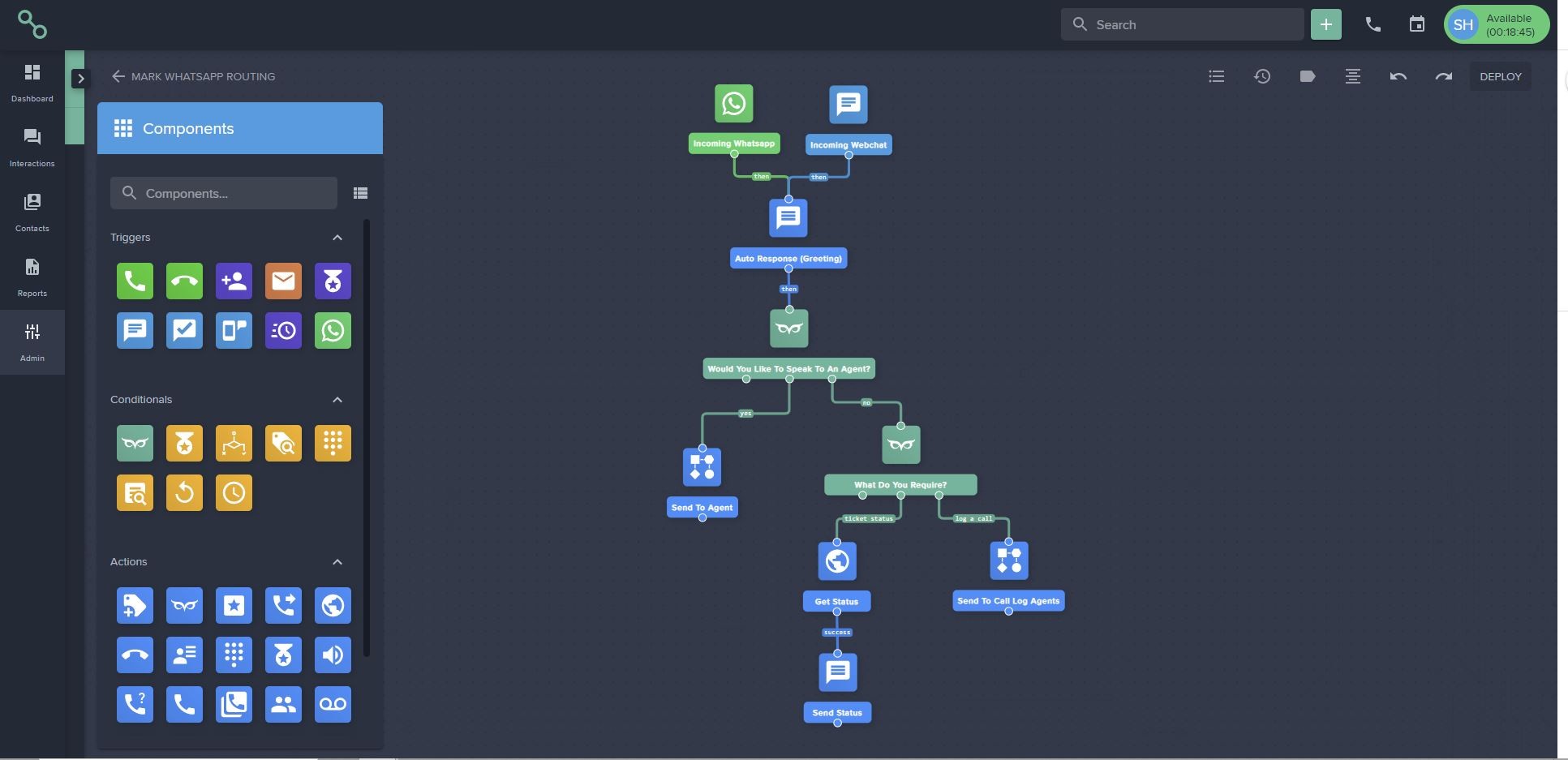
Customer Interaction Analytics and reporting tools provide valuable insights into customer behaviour, satisfaction levels, and overall performance metrics. These tools enable businesses to analyse trends, identify patterns, and measure key performance indicators (KPIs) related to customer interactions. Some AI Analytics tools, like Keyphrase Analysis and Sentiment Analysis, can achieve even deeper levels of understanding of your customers’ preferences.
Keyphrase recognition allows businesses to identify specific keywords or phrases used by customers during interactions, providing deeper insights into their needs, preferences, and pain points. By analysing keyphrases, businesses can better understand the underlying motivations and concerns driving customer behaviour, enabling them to tailor their responses and offerings accordingly.
Furthermore, sentiment analysis enables businesses to gauge the sentiment or emotional tone expressed by customers during interactions. By analysing the language and context of customer communications, sentiment analysis can identify whether customers are expressing positive, neutral, or negative sentiments towards the brand, products, or services. This allows businesses to quickly identify areas of concern or dissatisfaction and take proactive measures to address them before they escalate.
Armed with these insights powered by Artificial Intelligence (AI), businesses can make data-driven decisions to optimise their customer service strategies, improve the customer experience, and ultimately drive business growth.
Personalisation
Personalisation features allow businesses to tailor interactions to meet the specific needs and preferences of individual customers. This includes using customer data to customise communication content, recommendations, and offers.
For example, a CIM system might use past purchase history to suggest relevant products or services to a customer during a live chat session. Personalization enhances the customer experience, strengthens brand loyalty, and fosters long-term relationships with customers.
How does Automation enhance efficiency in CIM systems?
What role does Flow (or similar workflow automation tools) play in customer interactions?
How does Sentiment Analysis help improve customer experience?
How does Interaction Tracking improve customer service?
Why Investing in a Customer Interaction Management System Pays Off
Mejora de la Retención de Clientes
La gestión efectiva de la interacción con el cliente es vital para construir relaciones duraderas. Cuando los clientes se sienten escuchados y perciben una genuina preocupación, están más inclinados a compartir abiertamente sus experiencias. Esto permite a las empresas reevaluar sus estrategias de satisfacción del cliente y revisar los enfoques existentes. La comunicación honesta y transparente con los clientes establece una base para reducir las tasas de abandono de clientes y mejorar la retención.
Análisis Perspicaz del Comportamiento del Cliente
La gestión eficiente de las interacciones con los clientes es la piedra angular de los negocios exitosos. Interactuar con los clientes les permite expresar preocupaciones, ofrecer comentarios y proporcionar ideas para mejorar sus experiencias. Interacciones positivas facilitan el análisis de lo que resuena con los principales interesados y el entendimiento de sus desafíos y comportamientos de compra, ofreciendo datos en tiempo real sobre áreas de mejora.
Mejora de la Experiencia del Cliente y el Compromiso de la Comunidad
Emplear un enfoque estratégico en las interacciones asegura una comunicación coherente a través de todos los canales, fomentando un compromiso proactivo con los prospectos y manteniendo conversaciones continuas. También permite ofrecer experiencias personalizadas a los clientes, un aspecto crucial para construir relaciones sólidas. La personalización es esencial para la retención de clientes, con estudios que indican que la mayoría de los consumidores esperan interacciones personalizadas y se sienten frustrados cuando las interacciones carecen de personalización.
Además, las empresas que sobresalen en actividades de personalización tienden a generar mayores ingresos. Implementar opciones de autoservicio personalizadas y asegurar la disponibilidad a través de diversos canales de comunicación atiende las diversas preferencias de los clientes, minimizando fricciones y mejorando la satisfacción. Priorizar el servicio al cliente personalizado en todos los puntos de contacto fortalece la satisfacción y la lealtad, en última instancia aumentando las tasas de retención y aumentando el valor de vida del cliente.
Comprensión Más Profunda de los Puntos de Dolor del Cliente
Desarrollar una estrategia efectiva para interactuar con el público objetivo mejora la comprensión de lo que valoran, les gusta y disgusta a los clientes, y puede permitir una gestión de la fuerza laboral (WFM) más eficiente. Monitorear métricas relacionadas con las llamadas de clientes y su satisfacción permite identificar patrones recurrentes en necesidades y frustraciones.
Equipar a los agentes de soporte con capacitación para escuchar activamente a los clientes permite recopilar información completa sobre obstáculos o defectos del producto, e identificar áreas de desafíos del cliente permite abordar y anticipar preocupaciones de manera rápida, permitiendo una resolución proactiva antes de la escalada, elevando finalmente la experiencia general del cliente.
How can CIM systems actively reduce churn beyond simply tracking customer interactions?
Can CIM systems help segment customers for more targeted retention strategies?
How does integrating real-time analytics improve customer experience and retention?
How can businesses measure the ROI of CIM-driven retention efforts?
Implementing a Customer Interaction Management System: Best Practices
Train your support team
Equip your customer service team to handle diverse interactions across various channels, ensuring consistency and building trust in your brand. Regular meetings and workshops can enhance skills like active listening and de-escalation, ensuring professional and reliable service that fosters customer loyalty.
Navigate difficult conversations
Empower agents to calmly handle dissatisfied customers by practicing empathy and problem-solving. Roleplay sessions can help agents manage challenging inquiries and resolve issues while maintaining a positive customer experience.
Deliver personalised customer experiences
Add a personal touch to customer responses to create genuine interactions. While canned responses are useful for routine issues, more complex matters should be addressed with personalized communication to avoid alienating customers.
Align team communication across channels
Support agents should adjust their tone based on the communication channel—whether social media, email, or phone. A well-structured interaction management strategy ensures that customer engagement is aligned with brand values and tailored to each platform.
Respond to customer feedback
Analyzing feedback helps identify areas for improvement in customer engagement. Using integrated helpdesk and CRM tools with multilingual support ensures teams can address queries and feedback consistently, regardless of the communication channel.